U.S. and Colombia Avoid Trade War Over Deportation Flights
#image_title

U.S. and Colombia Avoid Trade War Over Deportation Flights


Share this post

A dispute regarding the acceptance of flights transporting deportees from the United States nearly led to a trade conflict with Colombia, which ultimately conceded after facing threats of tariffs and other sanctions from President Donald Trump.

Colombia had previously denied entry to two U.S. military flights carrying individuals deported by American authorities, with President Gustavo Petro asserting that the migrants were unjustly treated as criminals.

In response, on January 26, President Trump imposed a 25% tariff on all Colombian imports, instituted a travel ban for Colombian government officials, mandated enhanced searches for Colombian nationals at the U.S. border, and implemented additional banking and financial sanctions.
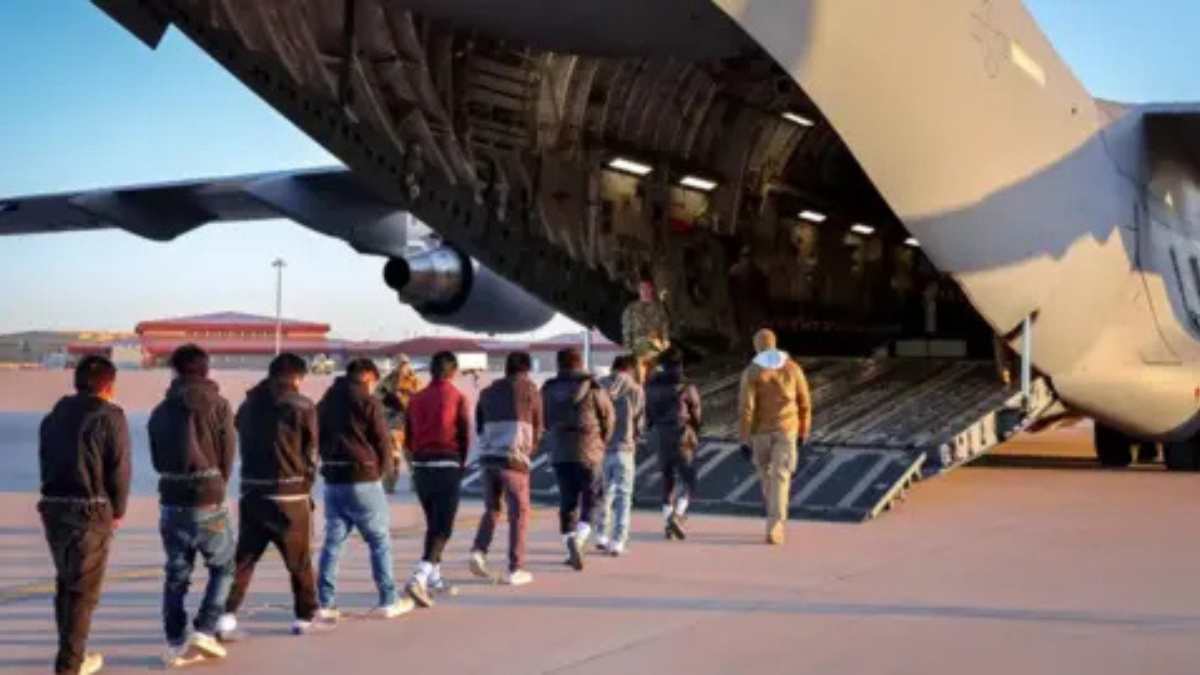
In retaliation, Petro announced a 25% tariff on U.S. imports; however, both parties reached an agreement to retract their tariffs just hours later. As part of this resolution, Petro consented to accept all Colombian immigrants deported from the U.S. "without limitation or delay."

The White House issued a statement declaring, "Today’s events make clear to the world that America is respected again," and emphasized that Trump's administration anticipates cooperation from all nations regarding deportation flights.

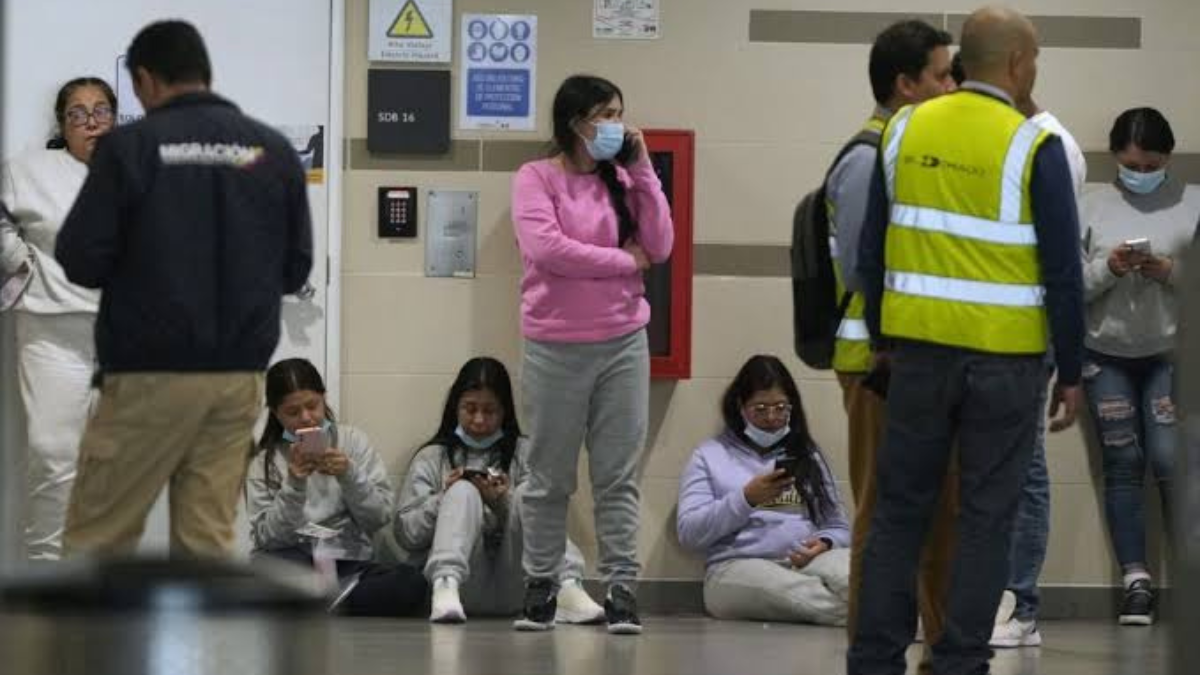
Colombia has previously accepted deportation flights from the United States. In 2024, a total of 124 aircraft transporting deported migrants from the U.S. arrived in the nation.
This situation represented the first significant challenge to Trump's strategy of employing tariffs as a means of negotiation with countries he perceives as uncooperative.

However, it involved a nation that possesses considerably less trade influence compared to others currently facing similar threats, such as China, Mexico, and Canada.

Colombia's main exports to the United States consist of oil, coffee, and cut flowers; nevertheless, economic leaders in the South American nation cautioned that a trade conflict with the U.S. would disproportionately affect Colombia's economy.

Share this post
Comments

Be the first to know

Join our community and get notified about upcoming stories

Subscribing...
You've been subscribed!
Something went wrong
Trump says $72bn Netflix-Warner Bros deal “could be a problem”

Trump says $72bn Netflix-Warner Bros deal “could be a problem”

US President Donald Trump has flagged potential concerns over Netflix's planned $72bn (£54bn) deal to buy Warner Brothers Discovery's movie studio and popular HBO streaming networks. At an event in Washington DC on Sunday, he said Netflix has a "big market share" and the firms' combined size "could be a problem". On Friday, the two companies said they had reached an agreement to bring Warner Brothers' franchises like Harry Potter and Game of Thrones to Netflix, creating a new media giant. The


O A

Moscow Welcomes New US Security Strategy, Says It Aligns With Russia’s Vision

Moscow Welcomes New US Security Strategy, Says It Aligns With Russia’s Vision

Russia has welcomed US President Donald Trump's new National Security Strategy, calling it "largely consistent" with Moscow's vision.  The 33-page document, unveiled by the US administration this week, suggests Europe is facing "civilisational erasure" and does not cast Russia as a threat to the US.  Combatting foreign influence, ending mass migration, and rejecting the EU's perceived practice of "censorship" are mentioned as other priorities in the report.  Several EU officials and analysts


O A

US National Park Service removes free entry on MLK Day and Juneteenth

US National Park Service removes free entry on MLK Day and Juneteenth

The US National Park Service (NPS) is removing Martin Luther King Jr Day and Juneteenth from its list of fee-free entrance days. The move is part of President Donald Trump’s “modernisation” of the park service, which, beginning in 2026, also includes changing the parks’ cost structure to favour American citizens over foreign visitors, following a July executive order from Trump. In addition to removing the two holidays that celebrate civil rights leader MLK Jr and the end of slavery in the US,


O A

iHeartRadio Bans AI-Generated Music and Voices Under New “Guaranteed Human” Policy

iHeartRadio Bans AI-Generated Music and Voices Under New “Guaranteed Human” Policy

Leading U.S. radio network iHeartRadio announced Tuesday that it will no longer air AI-generated music or use synthetic voices in its broadcasts, calling the move a commitment to authenticity. Under the new initiative, dubbed “Guaranteed Human,” on-air DJs must include the declaration “Guaranteed Human” in their hourly legal station identification to confirm that listeners are hearing real people—not AI-created voices. This ban will have an immediate impact on Timbaland’s AI artist TaTa and Ha


O A