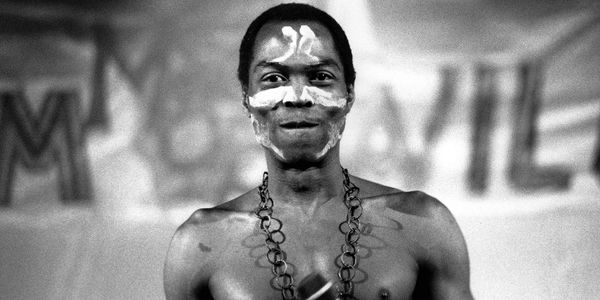
As Afrobeats rises, a look into the founder, Fela Kuti
FelaKuti

As Afrobeats rises, a look into the founder, Fela Kuti


Share this post

Fela Anikulapo Kuti, the Afrobeat pioneer, remains an icon of artistic rebellion, social activism, and musical innovation. Born on October 15, 1938, in Abeokuta, Nigeria, Fela's life was an odyssey of rhythm, protest, and cultural revival.

Fela Kuti's musical journey began in the vibrant streets of Lagos, where he soaked in the diverse sounds of highlife, jazz, funk, and traditional Nigerian music. Inspired by the likes of James Brown, Miles Davis, and Ghanaian highlife legend E.T. Mensah, Fela forged a new sound that would come to be known as Afrobeat.

Afrobeat, a fusion of West African rhythms, jazz, and funk, became Fela's musical canvas for his message of resistance against oppression and corruption. With its hypnotic grooves, intricate brass arrangements, and politically charged lyrics, Afrobeat was more than just music—it was a call to action, a soundtrack for social change.

Beyond his musical prowess, Fela Kuti was a fearless activist who fearlessly confronted Nigeria's ruling elite. His songs, often sung in pidgin English and Yoruba, served as anthems for the oppressed, rallying cries against political tyranny, economic exploitation, and social injustice.

Fela's confrontational stance against Nigeria's military regimes made him a target of persecution. He endured harassment, arrests, and violent attacks on his commune, the Kalakuta Republic. Yet, Fela's resolve only grew stronger, and his music became a symbol of defiance for millions across Africa and beyond.

Fela's impact extended far beyond Nigeria's borders, influencing musicians worldwide and shaping the course of global music. Artists like Paul McCartney, Brian Eno, and Peter Gabriel were among his admirers, while contemporary acts like Beyoncé and Kendrick Lamar continue to draw inspiration from his work.

In addition to his musical legacy, Fela's activism left an indelible mark on the fight for human rights and social justice. His fearless spirit and unyielding commitment to truth continue to inspire activists and artists alike, resonating with movements for change across the globe.

Fela's Enduring Influence

Although Fela Kuti passed away on August 2, 1997, his legacy endures, transcending time and space. His music remains as relevant today as it was during his lifetime, speaking truth to power and inspiring generations to challenge the status quo.

From the bustling streets of Lagos to concert halls in New York City, Fela's spirit lives on, his music serving as a testament to the enduring power of rhythm, rebellion, and resilience. As long as there are voices raised against injustice, Fela Kuti's legacy will continue to reverberate, reminding us of the transformative potential of music and the unbreakable spirit of resistance.

Share this post
Comments

Be the first to know

Join our community and get notified about upcoming stories

Subscribing...
You've been subscribed!
Something went wrong
Bad Bunny Pays Homage To Brooklyn’s Own Toñita In Super Bowl LX Halftime Show

Bad Bunny Pays Homage To Brooklyn’s Own Toñita In Super Bowl LX Halftime Show

At Super Bowl LX on Feb. 8, Bad Bunny used the NFL’s halftime stage to foreground Puerto Rican history, anchoring his performance in community memory rather than spectacle alone. Among the most resonant moments was his tribute to Toñita, the longtime owner of a Brooklyn social club that has served as a cultural home for Puerto Rican New Yorkers for decades. Toñita would share in the moment alongside some of the most iconic figures in the culture’s history. View this post on Instagram A post


O A

Coco Jones Honors Whitney Houston With “Lift Every Voice and Sing” at Super Bowl LX

Coco Jones Honors Whitney Houston With “Lift Every Voice and Sing” at Super Bowl LX

Coco Jones helped open Super Bowl LX with a rendition of “Lift Every Voice and Sing,” joining the pregame slate alongside Charlie Puth and Brandi Carlile. The Grammy‑winning R&B singer and Bel‑Air star performed the hymn often referred to as the Black national anthem before kickoff at Levi’s Stadium, continuing the NFL’s practice of including it in major events since 2020. Her look was as talked‑about as her vocals. Jones stepped onto the field in an all‑white Karl Kani ensemble—a cropped athle


B P

Seattle Seahawks Defeat New England Patriots 29-13 to Win Super Bowl LX

Seattle Seahawks Defeat New England Patriots 29-13 to Win Super Bowl LX

The Seattle Seahawks defeated the New England Patriots 29-13 on Sunday to win Super Bowl LX! Seattle's Mike Macdonald became the third-youngest (38) head coach to win the Super Bowl. The Seahawks also became the first team in history to not commit a single turnover during their Super Bowl run through the playoffs. They became the 17th franchise to win multiple Super Bowls. THE SEATTLE SEAHAWKS ARE SUPER BOWL LX CHAMPIONS 🏆 pic.twitter.com/EuftZfN9lP — NFL (@NFL) February 9, 2026 Quarterba


O A

Charlie Puth Just Gave a Reminder of How the National Anthem Should Be Sung

Charlie Puth Just Gave a Reminder of How the National Anthem Should Be Sung

The national anthem has become a strange battleground in modern pop culture. Every performance seems to fall into one of two traps: either it’s overstuffed with vocal gymnastics meant to go viral, or it’s delivered so cautiously that it barely leaves a mark. Charlie Puth’s recent rendition cut cleanly through both extremes—and in doing so, quietly set a new bar. Puth didn’t treat the anthem like a flex. He treated it like a song. That alone made his performance stand out. From the first note,


Elliot O